New electricity rates
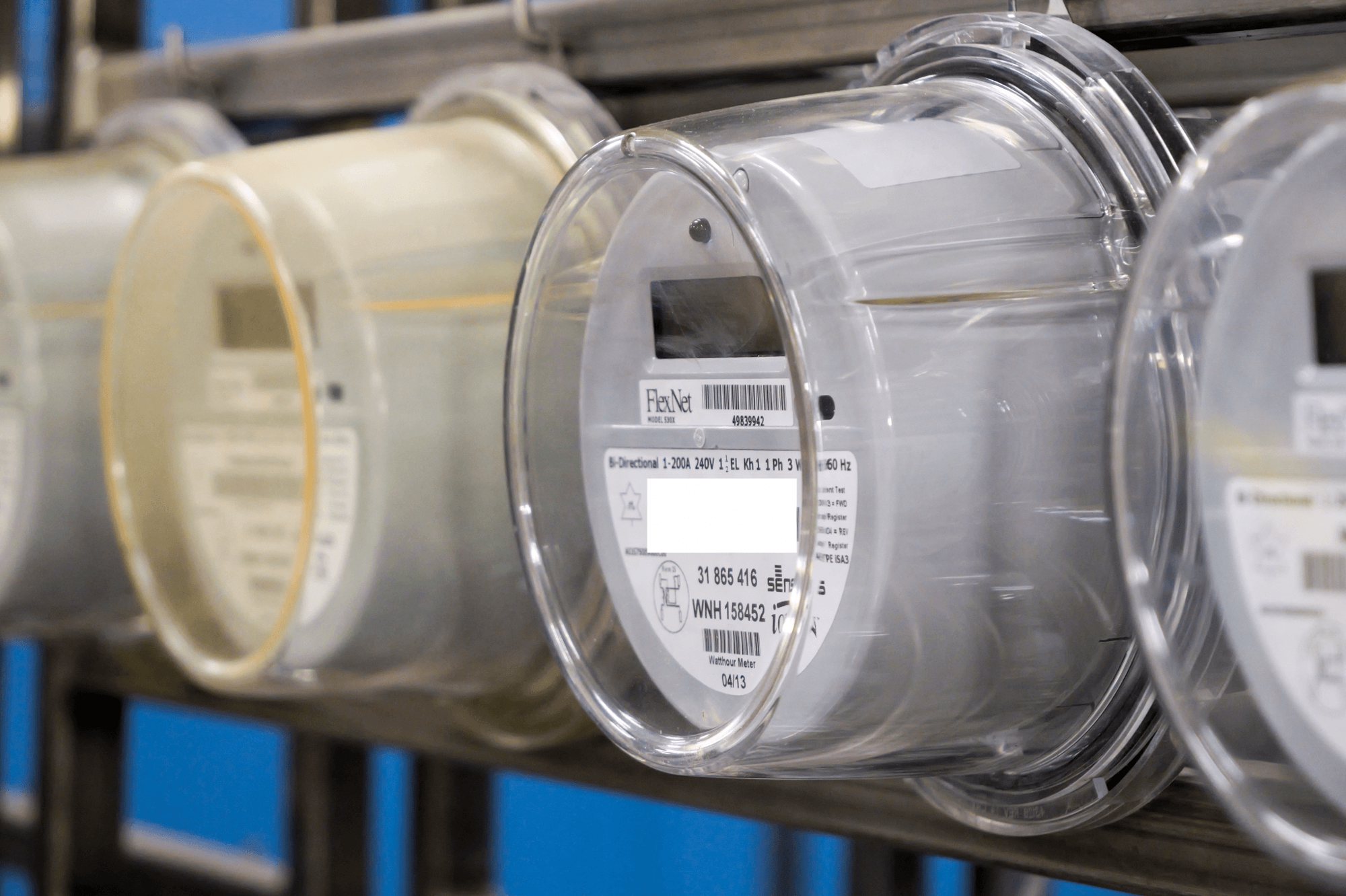
We've been in Canada for more than three years now, but some things still surprise us. For example, on January 1, new rates from our electricity provider take effect. And this is worth a closer look.
First of all, you get to choose from several options for how you'd prefer to save on electricity.
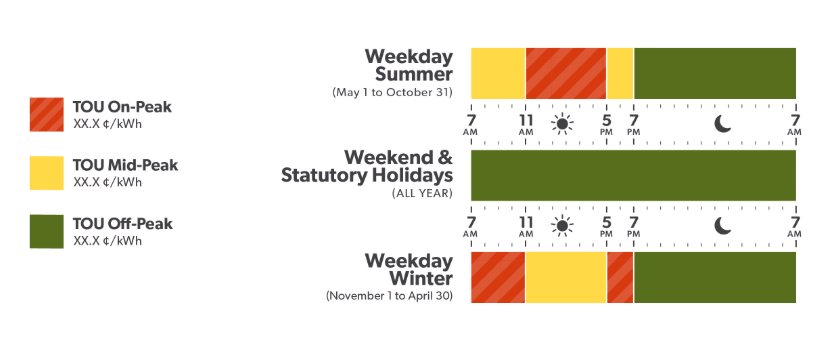
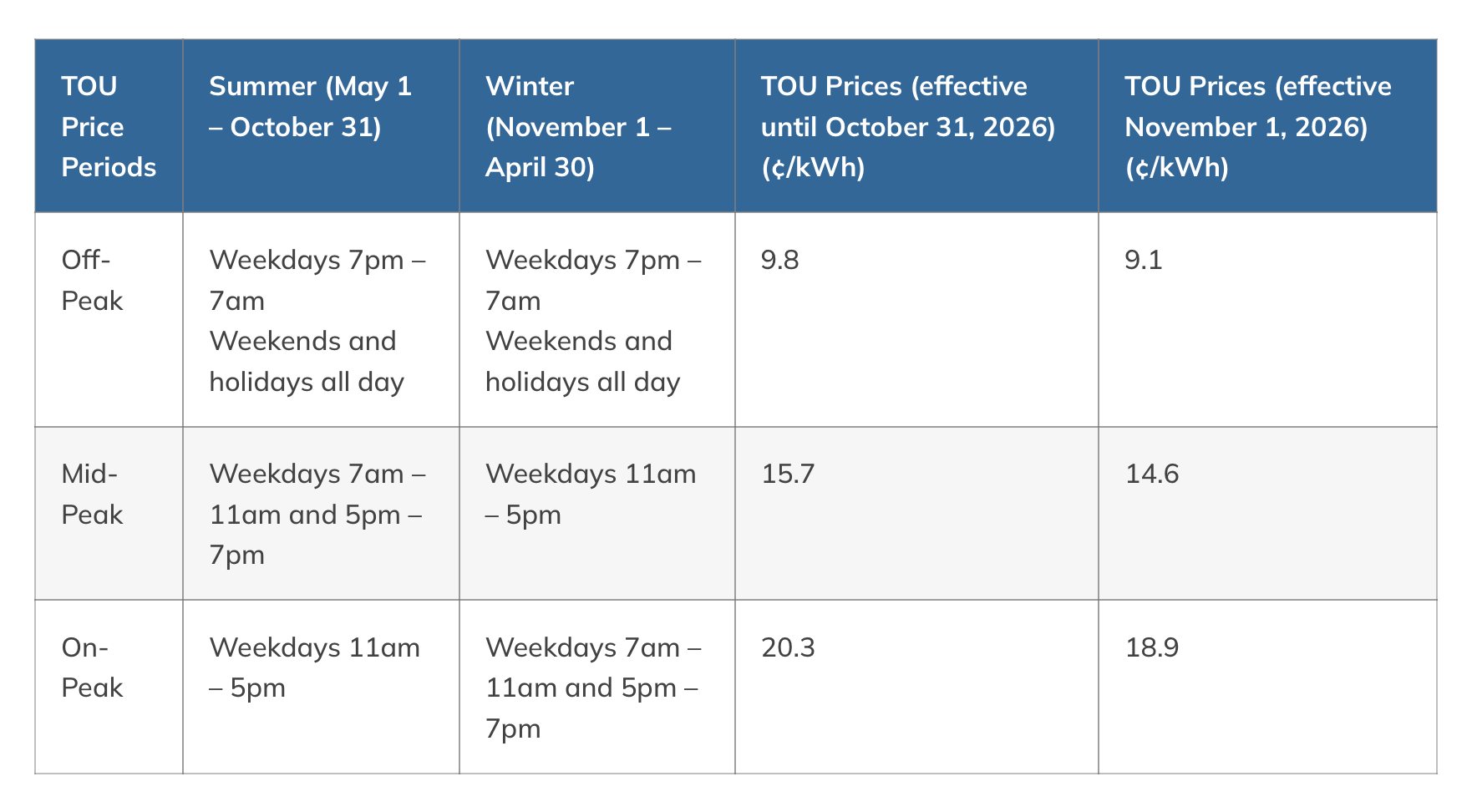
Time-of-Use Pricing means the cost of electricity in your house or apartment changes dynamically throughout the day. On top of that, the high- and low-price "windows" depend on the season. From May 1 to October 31, the so-called "summer period" is in effect, when the most expensive electricity is from 11 a.m. to 5 p.m. The rest of the year is the "winter period," when the most expensive electricity is from 7 to 11 a.m. and from 5 to 7 p.m. Either way, all year round the lowest rate applies from 7 p.m. to 7 a.m., and it also applies around the clock on statutory holidays and weekends.
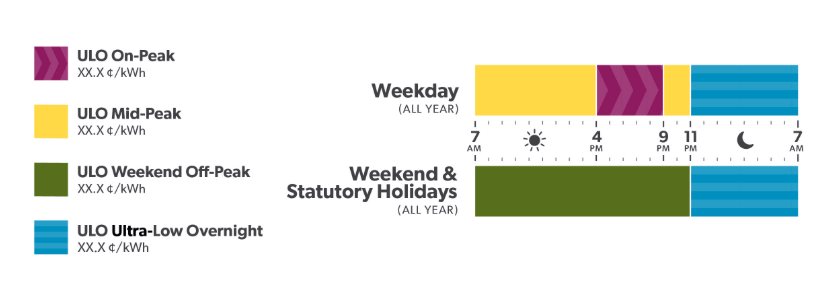
There's also the Ultra Low Overnight plan, where the price from 11 p.m. to 7 a.m. is the lowest, but this is offset by higher prices the rest of the day. Again, it's dynamic: there's a highest-price period from 4 p.m. to 9 p.m., and a "medium" price the rest of the time.
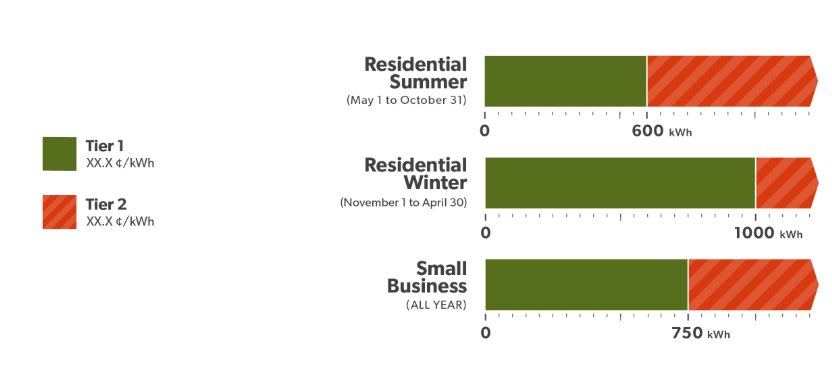
Finally, there's the option familiar from back in Ukraine: up to a certain number of kilowatt-hours you pay one price, and once you go over the limit, you pay another. Here it's called Tiered Pricing.
But what's truly unusual after living in Ukraine is the fact that the overall price can actually go down. I lived in Ukraine for 47 years, and in all that time I can't recall a single instance when the price of electricity for households dropped even once, even by a kopeck. No, the price always went up — sometimes imperceptibly, sometimes very substantially. The very idea that electricity could get cheaper simply wouldn't occur to the average Ukrainian.
So when our provider, Enova Power, sent a reminder about the switch to the "winter period," the picture below sent me into a state close to electric shock.